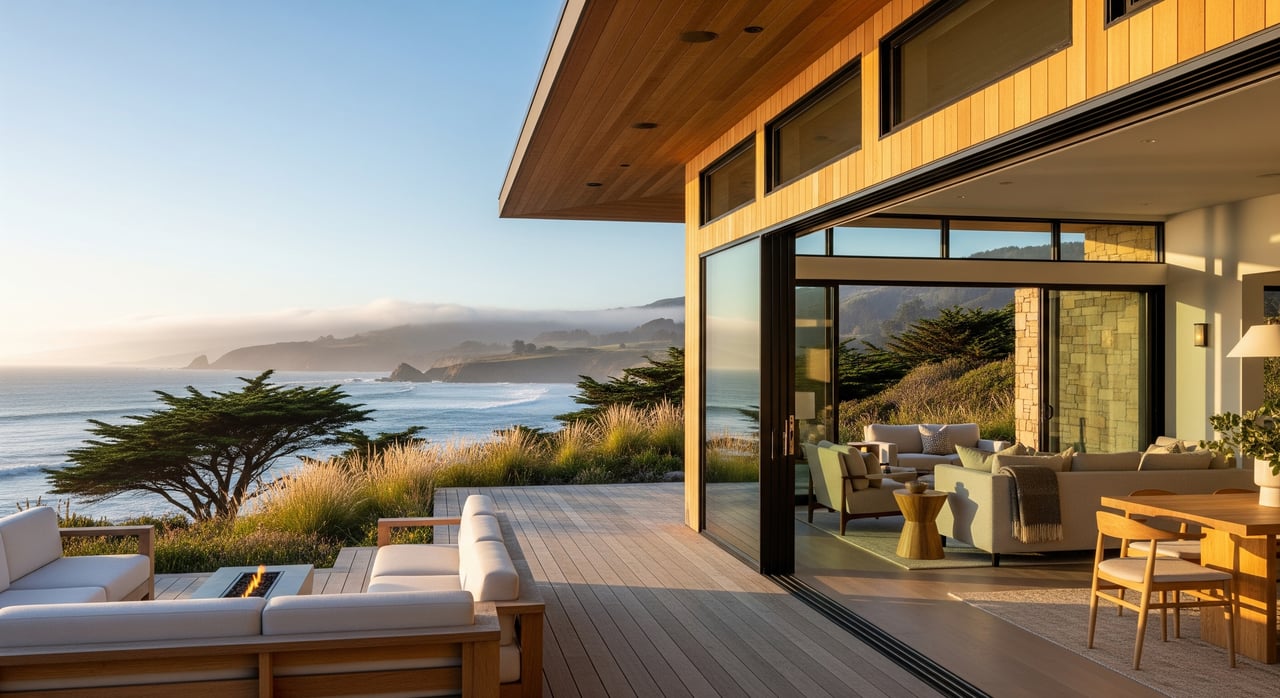
Dreaming about a place on the Sonoma Coast where you can unwind on weekends, or a property that pays for itself as a vacation rental? If Bodega Bay is on your radar, you are not alone. The area’s coastal scenery, wildlife, and proximity to the Bay Area make it a favorite for both second-home owners and short-term rental hosts. In this guide, you will learn how to compare the two paths, what local rules and costs to expect, how seasonality works, and how Bodega Bay stacks up to nearby San Rafael. Let’s dive in.
Why Bodega Bay draws buyers
Bodega Bay sits within easy reach of the North Bay and San Francisco, roughly 1 to 1.5 hours for many weekend travelers. Its appeal comes from coastal recreation, whale watching, birding, and access to Sonoma Coast parks. You also get a quieter village vibe compared with busier wine-country towns. To see what brings visitors year-round, explore the events, beaches, and park links on the official tourism site for Sonoma County at Visit Sonoma County.
Seasonality matters. Summer and the broader wine-country season from late spring to fall tend to be the busiest. Winter weekdays can see softer demand, which is important if you plan for short-term rental income.
Second home vs. vacation rental: quick framework
Here is a simple way to think about the decision before you shop.
-
Second home
- Ideal if you value personal use, flexibility, and a consistent getaway without guest turnover.
- Financing can be friendlier than an investor loan, but check whether your lender allows any rental use.
- Operating costs are predictable, and you can still offset expenses with occasional rental days if permitted and lender-approved.
-
Vacation rental (short-term rental)
- Designed for income, with guests staying by the night or week.
- Requires a permit or registration, transient occupancy tax collection, guest rules, and often more hands-on management.
- Revenue depends on seasonality, property quality, and marketing. Budget for management fees and higher maintenance from guest turnover.
Know the local rules first
Regulations differ by jurisdiction, and Bodega Bay is in unincorporated Sonoma County, which sets its own rules.
-
Sonoma County rules for Bodega Bay
- Short-term rentals typically require registration or a permit and compliance with health and safety standards. Start with the county’s planning and permitting resources on the Sonoma County official website to review current program details before you buy.
- If you operate a short-term rental, you must register for and remit Transient Occupancy Tax to the county. Learn about registration and remittance through the Sonoma County Treasurer-Tax Collector.
- Expect guest limits, parking standards, quiet hours, and waste rules. These neighborhood protections influence your operating plan and house rules.
- If the property sits in a community with an HOA, review the CC&Rs. Some HOAs restrict rentals or require longer minimum stays.
-
Comparing San Rafael and Marin County
- San Rafael has its own municipal policies, permits, and lodging tax procedures that differ from Sonoma County. Check the city’s current requirements on the City of San Rafael website.
- If you are looking elsewhere in Marin, review countywide rules and contacts on the Marin County official site.
-
Coastal development considerations
- For shoreline work or improvements that touch coastal resources, you may need coastal development review. The California Coastal Commission explains policies and permitting.
Regulations and taxes can change. Verify all requirements with the county or city before you write offers, and confirm whether any existing permits transfer to new owners.
Costs, revenue, and financing
How you plan to use the property affects the numbers more than you might think.
-
Financing and lender rules
- Lenders treat second homes and investment properties differently. Investor loans usually require larger down payments and may carry higher rates. If you want to both enjoy and rent your home, confirm the lender’s rules on short-term rental use and how, if at all, rental income counts for underwriting.
-
Revenue and pricing assumptions
- Income depends on location, views, walkability to the beach, size, and interior quality. Bodega Bay’s seasonality means higher occupancies in summer and fall with softer winter weekdays.
- For benchmarking occupancy and average daily rates, review third-party market data from providers like AirDNA. Use conservative assumptions for off-season months.
-
Operating costs to plan for
- Management fees if you hire a professional company. Full-service vacation rental managers often charge roughly 15 to 35 percent of booking revenue.
- Cleanings between stays, supplies, utilities, internet, landscaping, and routine maintenance.
- Registration and permit costs, business license if required, and Transient Occupancy Tax collection and remittance.
- Property taxes, insurance, and reserves for deferred maintenance.
-
Taxes and recordkeeping
- Rental income is taxable. You can usually deduct eligible expenses such as mortgage interest allocation, property taxes, insurance, repairs, and depreciation. The rules change if the home is primarily for personal use vs. rental. Consult a CPA to set up your approach.
- Short-term platforms may issue 1099 forms, and some may collect certain taxes in specific jurisdictions. You are still responsible for compliance.
-
Insurance choices
- A standard homeowner’s policy often excludes short-term rental activities. Ask for short-term rental endorsements or a policy designed for hosting.
- On the coast, weigh separate flood coverage if the home is in a FEMA flood zone, plus wildfire and earthquake options. Build these quotes into your affordability checks.
Coastal risks to factor in
Bodega Bay’s beauty comes with coastal and regional risks you should review during due diligence.
-
Flooding and erosion
- Many coastal parcels sit near mapped flood zones. Check your property’s status on the FEMA Map Service Center and ask your lender whether flood insurance is required.
- Long-term shoreline change can affect land use and insurability. Coordinate early if you plan shoreline or bluff work because coastal rules can limit hardening measures. The California Coastal Commission provides policy guidance.
-
Wildfire and air quality
- Sonoma County faces wildfire risk in surrounding landscapes. Even if the coastline has cooler conditions, regional smoke or utility safety shutoffs can affect guests. Review the Cal Fire Fire Hazard Severity Zone maps.
-
Coastal wear and tear
- Salt air and wind accelerate corrosion and exterior wear. Budget for more frequent paint cycles, window and door maintenance, and appliance care.
-
Seismic planning
- The region is seismically active. Earthquake insurance is optional but worth a quote, and seismic retrofits can be a smart long-term upgrade.
Bodega Bay vs. San Rafael: what is different
-
Market character
- Bodega Bay is a coastal village destination with a strongly seasonal short-term rental market and a smaller inventory of STR-ready homes. San Rafael is more urban and suburban with year-round commuter and regional demand. This difference shows up in occupancy patterns and guest profiles.
-
Price and yield tradeoffs
- San Rafael homes often command higher purchase prices tied to commuter access and amenities. Bodega Bay can achieve premium nightly rates for views and proximity to the beach but with more seasonality. Balance acquisition price, income variability, and your tolerance for downtime.
-
Regulatory environment
- City and county rules vary. Confirm San Rafael’s procedures on the City of San Rafael site and compare to Sonoma County’s requirements via the Sonoma County website. Also check HOA restrictions wherever you shop.
-
Risk profile
- Both counties face wildfire risk, while coastal flood and erosion issues are more front-and-center in Bodega Bay. Insurance availability and cost can differ accordingly.
Due diligence checklist before you buy
Use this list to organize your process.
-
Regulatory and legal
- Confirm short-term rental eligibility and the permit or registration path with Sonoma County planning. If you are considering San Rafael, check city rules.
- Review Transient Occupancy Tax registration and remittance steps with the county or city tax collector.
- Read HOA CC&Rs for rental limits and operational rules.
-
Property condition
- Order a thorough home inspection focused on coastal exposure, roof, foundation, windows, plumbing, and HVAC.
- Consider specialty inspections for pest, mold, and seismic anchoring. Verify septic systems if applicable.
- Ask about past code enforcement or noise complaints in the area.
-
Insurance and financing
- Get pre-approved for the correct loan type and confirm any rental-use limits.
- Obtain quotes for homeowners, liability, flood, wildfire, earthquake, and short-term rental coverage.
-
Financial modeling
- Build best, expected, and conservative income scenarios, including seasonality, management fees, cleanings, taxes, and reserves.
- Consult a CPA on depreciation, personal-use limits, and recordkeeping.
-
Operations and neighbors
- Talk to nearby owners and local managers about parking, quiet hours, and guest expectations.
- Outline your house rules and parking plan now so you are ready for permitting and onboarding.
Who this path fits
- You want a weekend retreat and occasional rental income to offset costs, with flexibility to enjoy the home.
- You want a full-time vacation rental and are comfortable with guest turnover, local rules, and active management or a manager’s fee.
- You prefer long-term rental stability and will compare traditional lease returns against a more seasonal vacation-rental model.
How a local advisor helps
Buying a coastal second home or vacation rental is about more than a view. You need grounded local insight on permitting, seasonality, maintenance, and insurance. With deep West Sonoma County experience and a curated network of managers, contractors, inspectors, and insurance pros, we help you evaluate both lifestyle fit and numbers. If you would like a personalized plan for Bodega Bay or a Marin comparison, reach out to Jennifer Klein for thoughtful, hands-on guidance.
FAQs
What permits do I need to run a short-term rental in Bodega Bay?
- In unincorporated Sonoma County, short-term rentals generally require county registration or permitting, compliance with health and safety rules, and Transient Occupancy Tax registration via the county’s tax collector.
How does Transient Occupancy Tax work for vacation rentals?
- Hosts typically collect TOT from guests and remit it on the schedule set by the jurisdiction; check Sonoma County’s process through the Treasurer-Tax Collector and confirm any city-specific requirements if buying in San Rafael.
What are typical management fees for a coastal vacation rental?
- Full-service managers commonly charge around 15 to 35 percent of booking revenue, with services ranging from marketing and bookings to housekeeping and guest support.
How do I estimate occupancy and nightly rates in Bodega Bay?
- Use third-party market data tools like AirDNA for historical occupancy and ADR benchmarks, and then layer in conservative assumptions for winter weekdays and off-peak periods.
Where can I check flood and fire risks before I write an offer?
- Review FEMA flood maps for zone status and Cal Fire’s Fire Hazard Severity Zone viewer for wildfire exposure, then request quotes for flood, wildfire, and earthquake insurance during your contingency period.