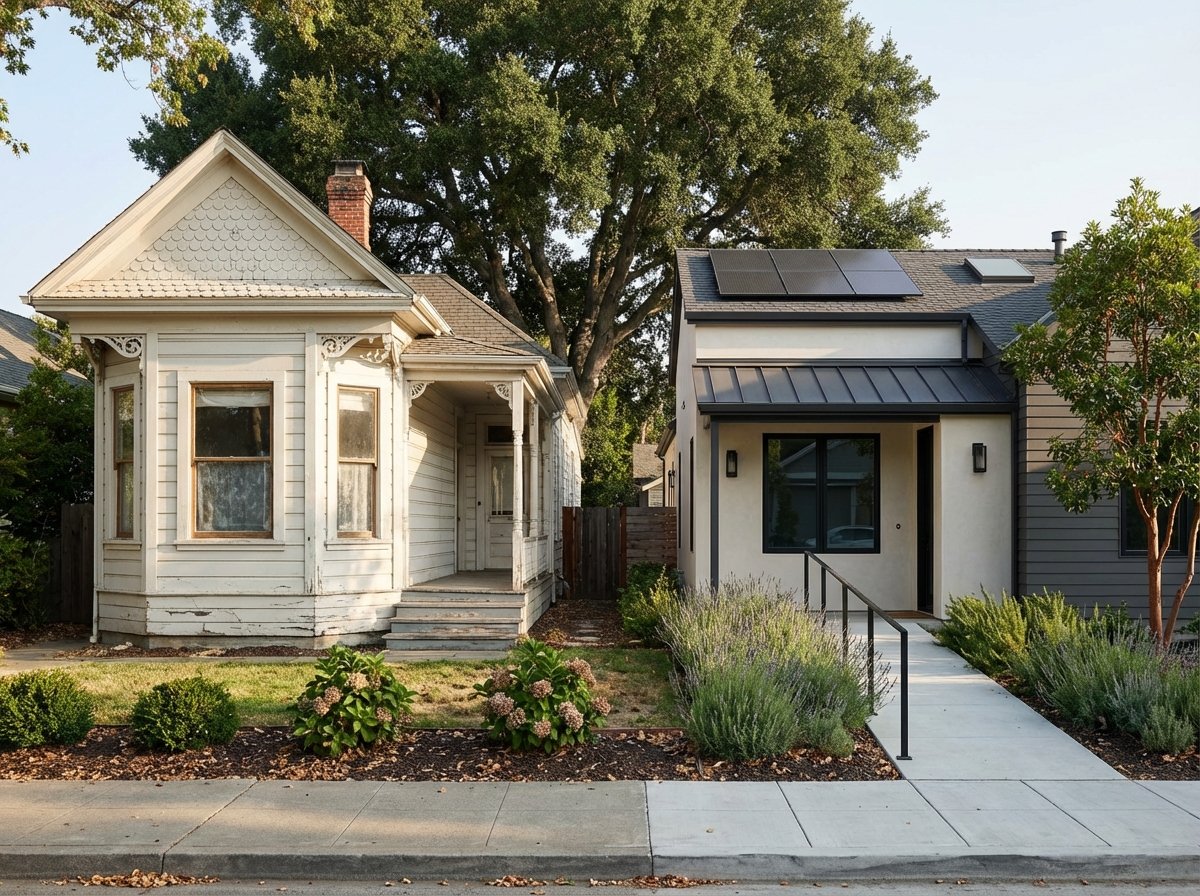
Torn between the storybook charm of a downtown Victorian and the ease of a newer home on Petaluma’s east side? You are not alone. You want location, character, and comfort without surprise costs. This guide breaks down what to expect from historic and newer homes in Petaluma so you can plan your budget, timeline, energy upgrades, and resale strategy with confidence. Let’s dive in.
Petaluma at a glance
Petaluma has a compact historic core with late‑19th and early‑20th century homes and commercial buildings. The city recognizes several historic districts and maintains clear guidelines for stewardship and design review. You can explore local protections and maps on the City’s pages for Historic Preservation and Historic Districts.
Outside the core, you will find post‑war ranch homes, mid‑century neighborhoods, and newer subdivisions with larger lots and modern floor plans. In practical terms, location and era often go hand in hand. Near downtown often means more character and walkability on smaller lots. Newer neighborhoods typically offer garages, larger yards, and open plans.
Petaluma’s typical home values sit in the high‑six to low‑seven figures, and medians vary by neighborhood, age, and proximity to downtown. The right choice for you comes down to lifestyle fit, renovation appetite, and long‑term goals.
What you get with historic homes
Character and location benefits
Historic Petaluma homes often feature tall ceilings, original millwork, and classic styles like Victorian, Italianate, and Craftsman bungalows. Many sit near downtown conveniences, local events, and riverfront amenities. Buyers prize the character and location. You should also plan for a more hands‑on approach to maintenance and upgrades.
Common upgrades and costs to plan for
- Electrical systems. Pre‑1940 homes may have knob‑and‑tube or cloth‑insulated wiring and undersized panels. Many insurers have tightened coverage for homes with active knob‑and‑tube, so treat this as a material finding during inspections and insurance shopping. Recent guides show full‑house rewiring often ranges about $12,000 to $35,000 depending on size and access. See cost context in this national wiring replacement guide and coverage trends in Bay Area insurance reporting.
- Lead paint and asbestos. Homes built before 1978 can include lead‑based paint. Some older finishes and insulation may include asbestos. Testing and proper containment or abatement are standard steps before remodeling. Learn more about lead inspection and safe practices.
- Plumbing and HVAC. Galvanized and cast‑iron lines can corrode. Full or partial re‑piping and HVAC modernization are common. Many buyers choose to install a heat pump for efficient heating and cooling.
- Insulation and windows. Older homes often lack modern insulation and may have single‑pane windows. Comfort upgrades typically start with attic air sealing and insulation, then targeted wall or crawlspace work, and selective window repair or replacement. For retrofit approaches and ranges, see regional insulation resources.
- Seismic strengthening. Many older wood‑frame homes can be bolted to the foundation and have cripple walls braced on a prescriptive basis. The California Residential Mitigation Program documents typical costs and grants. Explore CRMP’s homeowner FAQs to understand options.
Permits and historic design review
If a property sits inside a designated district such as A‑Street or Oak Hill–Brewster, exterior changes often require design review. Start early with the City’s Historic Preservation and Permit Process resources. Submitting a conceptual plan can help you understand timing and approval paths before you finalize scope.
Timelines to expect
Cosmetic work may take weeks. System upgrades and seismic work can add months. If design review is required for exterior changes, plan for a longer path. The City’s Permit Process is the best place to understand how submittals and reviews flow.
What you get with newer homes
Layout and systems
Newer Petaluma subdivisions typically offer open kitchens and living spaces, central HVAC, attached garages, and more outlets and storage. Many buyers value the shorter punch list and the option to focus on finishes rather than major systems right after move‑in.
Energy code advantages
California’s evolving energy standards, often referred to as Title 24, have driven solar or solar‑ready designs on many new single‑family homes and detached ADUs. That means new construction often includes solar panels or the wiring and roof setup to add them later. For a practical overview of solar requirements on ADUs and new homes, review this Title 24 explainer.
Possible constraints
Some newer subdivisions include HOAs that can guide exterior paint colors, landscaping, or additions. Ask for the CC&Rs up front so you know what is allowed and what is not.
Energy upgrades and rebates in Sonoma County
Think about upgrades in two buckets.
- Bucket 1: Safety and insurability. Electrical, roofing, and seismic work protect your investment and keep coverage options open. These are high‑priority items in older homes.
- Bucket 2: Efficiency and comfort. Insulation, heat pumps, induction cooking, and efficient water heating can lower bills and improve comfort, and they often qualify for rebates.
Regional programs can reduce out‑of‑pocket costs and simplify planning:
- BayREN offers retrofit programs, technical assistance, and incentives for insulation and electrification. Start with BayREN’s incentive finder.
- Sonoma Clean Power provides local incentives and education on heat pumps, induction, and smart‑home rewards. See the program overview via the county’s energy efficiency resources page.
Program funding changes over time. Check current eligibility and caps before you budget specific dollar amounts.
Market and resale signals
Historic homes near downtown often trade at a premium for location and architectural character. That premium depends on condition and whether key systems have been updated. Electrical red flags or uninsurable conditions can narrow the buyer pool. See recent coverage of how insurance carriers evaluate older systems in the Bay Area in this San Francisco Chronicle report.
Move‑in‑ready newer homes typically appeal to buyers who value convenience, open layouts, attached garages, and modern energy performance. In a market where lifestyle and ease matter, that broad appeal can support shorter resale timelines.
Decision guide: Which is right for you?
Choose a historic home if you want:
- Classic details, high ceilings, and the feel of Petaluma’s early neighborhoods.
- Walkable access to downtown dining, events, and riverfront amenities.
- A project plan that may include electrical, seismic, and comfort upgrades.
Choose a newer home if you want:
- Open floor plans, larger closets and garages, and fewer immediate system projects.
- Modern HVAC and energy features, often solar or solar‑ready by design.
- Predictable maintenance with the option to update finishes over time.
Buyer and renovator checklist
Before you write an offer
- Confirm if the home sits in a local historic district. Start with the City’s Historic Preservation and Historic Districts pages.
- Ask the seller for permit history and receipts for system upgrades.
- Include inspections that check for knob‑and‑tube wiring, lead paint, asbestos, foundation movement, and wildfire or flood exposure.
Once you are in contract
- Order specialized inspections: electrical, sewer scope, termite and dry‑rot, and hazardous materials sampling if the home predates 1978. See lead safety basics.
- If older wiring is present, speak with insurance brokers early. Carriers may set conditions or decline renewals for active knob‑and‑tube. Here is context on Bay Area insurance practices.
- If exterior changes are planned in a historic district, engage City planning early and review the Permit Process to map steps and timing.
- Explore rebates for heat pumps, insulation, and induction through BayREN and Sonoma Clean Power resources. You can often combine these with federal tax credits if eligible.
Ready to compare a downtown bungalow with a newer East Petaluma home and build a smart plan for upgrades and resale? Reach out to Jennifer Klein for hands‑on guidance, local vendor introductions, and a clear path from offer to move‑in.
FAQs
Are exterior changes allowed on historic homes in Petaluma’s A‑Street or Oak Hill–Brewster districts?
- Many exterior changes require design review. Start with the City’s Historic Districts and Historic Preservation pages to understand guidelines and next steps.
How much does it cost to replace knob‑and‑tube wiring in an older Petaluma home?
- Recent guides show full‑house rewiring often ranges about $12,000 to $35,000 based on size and access. See details in this wiring cost overview.
Will my insurance be affected if a home still has knob‑and‑tube wiring?
- Carriers in the region have tightened standards and some restrict coverage for active knob‑and‑tube. Review this regional insurance report and talk to a local broker during inspections.
Do new homes or ADUs in Petaluma need solar panels?
- California’s energy code often requires solar or solar‑ready design for many new single‑family homes and detached ADUs. See this Title 24 explainer for a practical overview.
What rebates can I use for heat pumps and insulation in Sonoma County?
- BayREN and Sonoma Clean Power offer incentives and technical help that can lower out‑of‑pocket costs. Start with BayREN’s incentive finder and the county’s Sonoma Clean Power resources.
Are there grants for seismic retrofits on older Petaluma homes?
- Yes. The California Residential Mitigation Program offers guidance and grants for common brace‑and‑bolt retrofits. Explore CRMP’s FAQs to see if your home type qualifies.