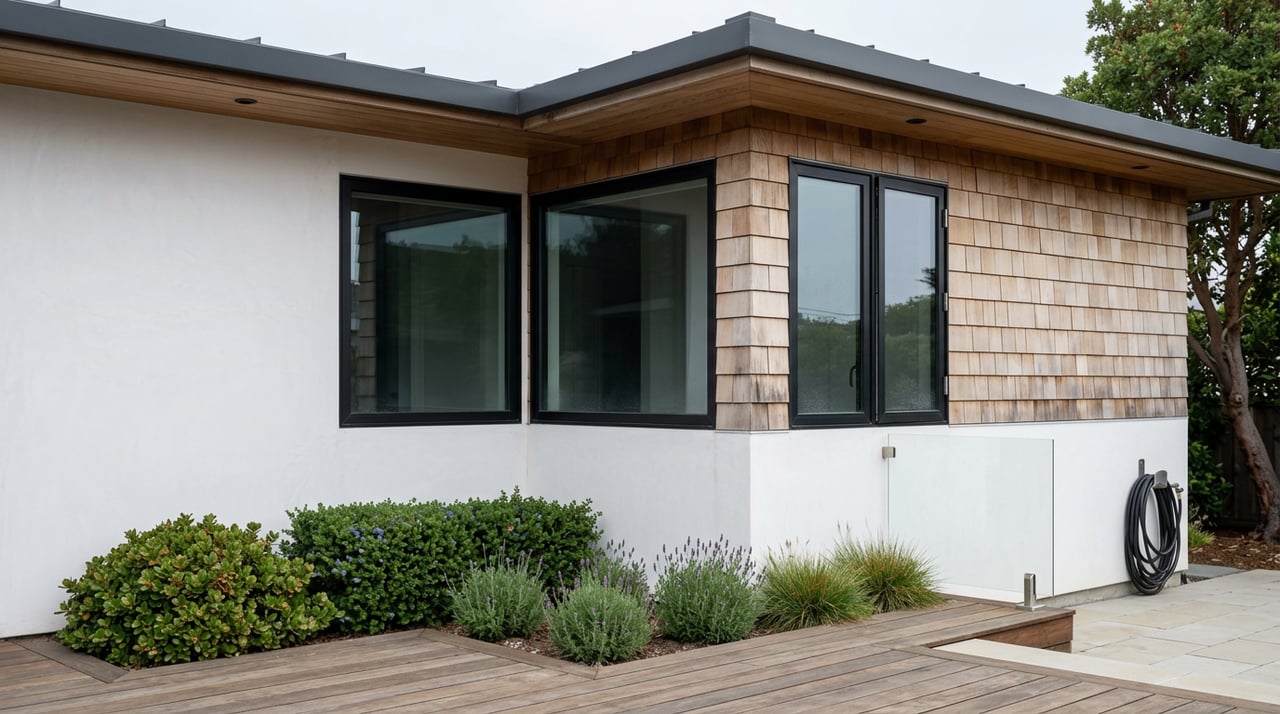
Salt air, wide‑open views, and fresh seafood weekends make Bodega Bay feel like a dream. If you are thinking about a second home here, you also want the real picture of upkeep, permitting, and costs. The ocean writes the rulebook on materials and maintenance, and county rules shape what you can build or rent. This guide gives you practical steps for care, smart material choices, coastal hazards and permitting basics, and clear budget ranges so you can buy with confidence. Let’s dive in.
What makes Bodega Bay different
Marine climate reality
Bodega Bay sits in a cool, wind and fog zone. Persistent onshore winds and salt aerosol leave a fine layer of salt on glass, metal, and paint. Over time, that speeds up rust, peel, and staining. Local monitoring confirms frequent wind and marine exposure, so it is best to treat your home as “marine exposure,” not inland. You can see the patterns in Bodega Bay’s marine climate.
Sea level and bluff risks
Sea level is rising along the Sonoma coast, and bluff retreat is a planning focus. Use NOAA’s sea level rise viewer to understand water level scenarios and how they could affect access, utilities, or flood exposure in the years ahead. Sonoma County’s updated Local Coastal Plan, certified in late 2024, folds these hazards into siting rules and permits. Review the Permit Sonoma Local Coastal Plan update before you buy or plan work.
Shoreline protection limits
Hard armoring like seawalls is often a last resort. State and federal guidance points to downstream impacts on beaches and tight conditions on approvals. Read about the effects of armoring and why soft adaptation is often favored in this shoreline armoring overview. Expect that new or permanent armoring may be difficult, slow, or not allowed.
Smart coastal construction choices
Siding and paint
Salt and moisture shorten paint life. Plan touch‑ups more often on windward sides and trim, and expect full repaint cycles of about 3 to 7 years in coastal exposure with quality prep and products. Moisture‑resistant acrylics and marine‑rated systems perform better. For cladding and trim, fiber‑cement, composite, and capped‑PVC trims beat bare wood in rot resistance and long‑term upkeep. For repaint timing and product guidance, see this coastal paint overview on selecting paint for coastal homes.
Roofing and gutters
Plan annual roof checks. Clean gutters twice per year and after major storms. Salt and algae can shorten the life of asphalt shingles and degrade metal flashings. Many coastal owners pick standing‑seam metal or high‑grade composite shingles with coastal‑rated flashings. Budget to replace low‑grade flashings and sacrificial parts earlier than inland homes.
Windows and doors
Use vinyl or fiberglass frames, or aluminum with coastal‑rated coatings. Specify corrosion‑resistant hardware on all exposed parts. Inspect insulated glass for seal failure once a year and re‑caulk problem areas every 3 to 5 years on high‑exposure faces. Keep exterior glass clean to slow pitting and staining.
Decks, railings, and hardware
Pick hardware that can take the salt. Visible fasteners, rail fittings, and door hardware should be marine‑grade 316 stainless where possible. It contains molybdenum that resists chloride attack better than 304. Here is a clear primer on 304 vs 316 stainless performance. Rinse deck rails, light fixtures, and exposed hardware with fresh water after storms to remove salt and extend life.
Mechanicals and moisture control
HVAC condensers, water heaters, and pumps near the coast corrode faster. Schedule professional HVAC service once or twice a year, and rinse exterior coils gently with fresh water between services. Inside, keep relative humidity between 30 and 50 percent. Vent bathrooms and laundry, dry any water intrusion quickly, and consider dehumidifiers if the home sits vacant at times. Learn more about moisture and mold control from the CDC’s guidance.
Maintenance cadence you can live with
Monthly and after storms
- Fresh‑water rinse of windward glass, rails, and exterior hardware to remove salt. A simple hose rinse slows corrosion and staining. See a coastal rinse routine in this salt‑air maintenance guide.
- Quick look for chipped paint, lifted caulk, clogged weeps, or loose fasteners on windward faces.
Seasonal and annual
- Spring and fall: clean gutters, soft‑wash siding, service HVAC, inspect roof edges and flashings, and check window seals and caulk.
- Annual: full exterior inspection by a contractor, deck reseal if needed, and service water heater and pumps.
- For rentals or high‑exposure oceanfront sites, add mid‑season checks of deck hardware, rail cables, and exterior locks.
Budget planning for Bodega Bay homes
Every property is different, but coastal homes often carry a 10 to 30 percent premium on labor, materials, and frequency. Use these planning ranges as a starting point and confirm with local bids.
- Exterior repaint: about $1,800 to $4,500 for many single‑family homes, often higher near the coast due to prep, access, and premium coatings. Expect cycles every 3 to 7 years on exposed faces.
- Roof replacement: roughly $10,000 to $35,000+ depending on size, pitch, tear‑off, material, and needed repairs. Metal, tile, or specialty roofs land higher.
- Window replacement: about $500 to $2,500+ per window installed based on size, frame, and glazing. Large picture windows and laminated impact glass cost more.
- Deck reseal or stain: about $2 to $5 per square foot for labor and materials. Composite decking cuts finish work but still needs rinsing.
- Annual routine maintenance: plan about $1,000 to $3,000 per year for smaller, moderately exposed second homes. Oceanfront or very exposed properties often require several thousand more to cover accelerated paint, hardware, and service calls.
- Flood insurance note: premiums depend on FEMA flood zone and Base Flood Elevation. Check your parcel on the Sonoma County DFIRM flood maps and ask an insurance broker for property‑level quotes.
Renting your Bodega Bay home
If you plan short‑term stays, you must comply with Sonoma County’s vacation rental rules. Many rentals require a Vacation Rental License, a certified local property manager, and registration to collect Transient Occupancy Tax. Review the current process and posting rules on the County’s Vacation Rental Permit and License Application page. In the Coastal Zone, timing and conditions may differ, so confirm your parcel status with Permit Sonoma before you list.
Due diligence checklist before you buy
- Pull flood data early. Check your parcel on the Sonoma County DFIRM flood maps and confirm if it is in a Special Flood Hazard Area.
- Ask Permit Sonoma about Coastal Zone status, bluff or geotechnical setbacks, and whether a Coastal Development Permit is likely for your planned work. Start with the Local Coastal Plan update page.
- Verify utilities. Confirm sewer versus septic and capacity with the County and seller disclosures.
- Order a focused pre‑purchase inspection. Prioritize roof and flashings, window seals and hardware, deck ledger and fasteners, HVAC condenser condition, and any visible corrosion points.
- If you plan to rent, read the County rules and price a property manager and compliance tasks now. Start with the vacation rental guidance.
Make coastal ownership easier
Bodega Bay living is special, and owning here is very doable with a plan. Choose materials that resist salt and moisture, follow a simple rinse and inspection routine, and budget for slightly more frequent exterior care. Check the Local Coastal Plan and flood data before you buy or build, and if you plan to rent, line up permits and a local manager early.
If you would like local contractor referrals, a property‑specific maintenance plan, or help navigating coastal permits and rental rules, reach out to Jennifer Klein. You will get boutique, hands‑on guidance backed by deep Sonoma Coast know‑how.
FAQs
What upkeep is unique to Bodega Bay coastal homes?
- Salt spray, wind, and fog speed up corrosion and finish wear, so plan regular fresh‑water rinses, earlier paint touch‑ups on windward faces, and annual exterior inspections.
How often should I repaint near the ocean in Sonoma County?
- Expect touch‑ups every 1 to 3 years on high‑exposure areas and a full repaint about every 3 to 7 years with quality prep and coastal‑rated coatings.
Do I need flood insurance for a Bodega Bay home?
- It depends on your FEMA flood zone and Base Flood Elevation; check your parcel on Sonoma County’s DFIRM maps and ask an insurance broker for quotes.
Can I build a seawall to protect my shoreline property?
- Shoreline armoring is tightly regulated and often discouraged due to beach impacts, so approvals are limited, conditional, and sometimes temporary.
What permits are required to run a short‑term rental in Sonoma County’s Coastal Zone?
- Many properties need a Vacation Rental License, TOT registration, and a certified local property manager; confirm parcel status and steps with Permit Sonoma.
Which windows and hardware hold up best in salty air?
- Vinyl or fiberglass frames and visible 316 stainless hardware perform well; rinse exterior components after storms and inspect seals and fasteners yearly.