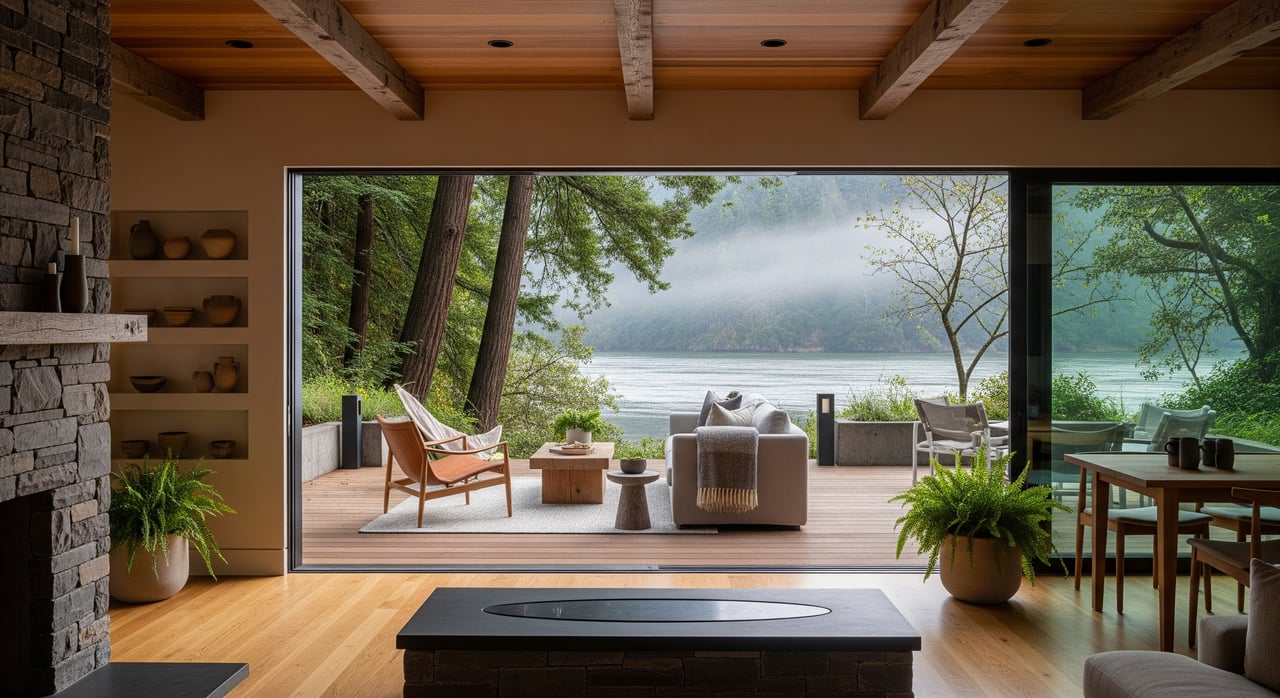
Buying a Vacation Rental in Guerneville, CA: Key Steps & Regulations
Guerneville Vacation Rental: Quick-Take Summary
Investment Opportunity: Guerneville draws consistent vacation rental demand from Bay Area travelers seeking Russian River recreation, ancient redwoods, and nearby Sonoma County wineries.
Regulatory Environment: Short-term rentals (STRs) in unincorporated Guerneville are strictly regulated by Permit Sonoma, requiring occupancy caps, neighbor notifications, parking compliance, and Transient Occupancy Tax (TOT) registration.
Critical Due Diligence: Buyers must inspect septic systems and well capacities, verify FEMA flood zone elevation, secure specialized STR insurance, and model revenue using conservative seasonal occupancy rates.
Dreaming about a weekend place that also helps pay for itself? Guerneville on the Russian River draws steady demand from San Francisco Bay Area travelers who love redwoods, wineries, and summer river days. If you are considering a vacation rental investment here, you are smart to learn the local rules, the true operating costs, and the property-specific risks before you buy.
In this guide, you will learn how Guerneville's seasonality works, what to check for permits and taxes, how flood and wildfire risks affect your purchase, and how to model revenue with realistic assumptions.
Vacation Rental Investment Matrix at a Glance
Use this extraction matrix to compare the two main property types for short-term rentals along the Russian River Corridor.
Property Location | Key Strengths & Guest Appeal | Tradeoffs & Risk Factors |
|---|---|---|
Riverfront Homes | High guest demand, premium nightly rates, direct water access for kayaking and floating. | FEMA flood zone exposure, higher insurance premiums, strict riparian setbacks, and regulatory scrutiny. |
Tucked-Away Redwood Cabins | Peaceful forest privacy, simpler insurance in non-flood zones, ample parking. | Slightly lower mid-week demand; requires highlighting cozy outdoor amenities (hot tubs, fire pits). |
Why Guerneville Draws Steady Short-Term Rental Demand
Guerneville offers what travelers want in Sonoma County. Visitors come for river recreation, towering redwoods, and easy access to wineries. Summer weekends and holidays represent peak demand, with solid bookings extending from late spring through early fall. Shoulder seasons can also perform well with the right pricing and promotional strategy.
Property styles that perform well include classic river cottages, cabins tucked under the redwood canopy, remodeled vintage homes, and properties featuring secondary units or ADUs.
Understanding Sonoma County Short-Term Rental (STR) Rules
Because Guerneville is an unincorporated community, Sonoma County regulations apply. Short-term rentals are regulated and require registration or a permit through Permit Sonoma. Buyers must confirm what the county requires for a specific parcel, including:
- Maximum occupancy limits based on bedroom count and septic capacity
- Required off-street parking spaces
- Neighbor notification protocols and 24/7 emergency contact designations
- Safety inspections and Quiet Hours enforcement
- Proximity caps and primary residence restriction overlays
Zoning, Permit Sonoma, and Transient Occupancy Tax (TOT)
Transient Occupancy Tax (TOT) applies to paid stays under 30 days in Sonoma County. STR owners are required to register with the Sonoma County Treasurer-Tax Collector and regularly remit collected TOT. Filing procedures and tax rates are updated periodically, so plan to verify current requirements before opening your booking calendar.
Before writing an offer, confirm zoning allowances for short-term rentals. Some parcels face riparian setbacks, floodplain building restrictions, septic capacity limits, or environmental habitat overlays. If you plan to expand a home or build an ADU, factor in county permitting timelines and California ADU regulations.
Planning a Vacation Rental Purchase in Guerneville?
Navigating Permit Sonoma rules, flood zones, and septic inspections requires local expertise. Jennifer Klein helps investors evaluate Russian River properties with complete clarity.
Key Property Risks to Investigate Early
Flood Exposure and Russian River Elevation
Homes near the Russian River may sit within FEMA flood zones and require mandatory flood insurance. Review historical flood maps, request past flood disclosure records, and evaluate property elevation. Higher insurance premiums can significantly impact net cash flow.
Wildfire Risk and Insurance Availability
Parts of Sonoma County carry elevated wildfire risk ratings. Homeowners insurance can be higher and carrier options more limited. Look for defensible space, compliant vegetation management, and fire-resistant roofing materials. Always confirm insurance availability and pricing during your inspection contingency period.
Septic and Well System Due Diligence
Many Guerneville properties rely on private septic and well systems rather than municipal sewer or water. Verify official septic permit capacity, pumping records, and drainfield location. Test well water quality and flow rate. Septic repairs or upgrades in high-water-table areas can be costly, so maintaining cash reserves is essential.
Riverfront vs. Tucked-Away Forest Properties
Choosing between a riverfront location and a hillside redwood cabin depends on your risk tolerance and investment goals:
- Riverfront Properties: Offer maximum guest appeal and premium daily rates, but require higher flood insurance and closer monitoring of water levels.
- Tucked-Away Cabins: Offer forest privacy, easier insurance approval, and lower flood risk, though they may require amenities like hot tubs or outdoor fire features to drive midweek bookings.
Step-by-Step Purchasing Plan for Guerneville STR Buyers
- Research Market Performance: Analyze recent sales data and gather local short-term rental occupancy metrics and average daily rates (ADR).
- Verify County Regulations: Confirm current Sonoma County STR caps, permit eligibility, and zoning rules for the specific parcel.
- Secure STR-Compliant Financing: Work with a lender familiar with second home and investment property guidelines.
- Obtain Insurance Quotes: Request quotes for specialized STR landlord coverage, flood insurance, and California FAIR Plan or wildfire policies.
- Perform Rigorous Inspections: Schedule pest, septic, well, and structural inspections alongside flood zone verification.
- Build a Conservative Financial Model: Factor in cleaning fees, property management, TOT taxes, insurance, utilities, and emergency reserves.
- Establish Operations Strategy: Decide between self-management or hiring a local Russian River property manager.
Expert Investment Advisory with Jennifer Klein
A successful Guerneville vacation rental begins with local knowledge and disciplined planning. Jennifer Klein with Corcoran Icon Properties provides clear guidance from your first property tour through escrow and long-term planning.
Frequently Asked Questions About Guerneville Vacation Rentals
Are short-term rentals allowed in Guerneville, CA?
Guerneville is unincorporated, and short-term rentals are regulated at the county level by Permit Sonoma. Buyers should verify current Sonoma County rules, permit availability, and parcel-specific allowances before making an offer.
What taxes apply to vacation rentals in Sonoma County?
Paid stays under 30 days are subject to Transient Occupancy Tax (TOT) collected and remitted to Sonoma County. Owners must register with the County Treasurer-Tax Collector upon starting operations.
How risky is buying riverfront real estate along the Russian River?
Riverfront homes command higher nightly rental rates but frequently sit in FEMA flood zones requiring flood insurance. Buyers must carefully review flood history, elevation certificates, and insurance costs during due diligence.
Can I get insurance for a short-term rental in Sonoma County?
Yes, but policies must explicitly permit short-term rental use. Properties in wildfire or flood zones may require specialized policies or California FAIR Plan coverage, which should be quoted before removing contingencies.
How should I estimate short-term rental revenue in Guerneville?
Model projections using conservative assumptions that account for strong summer weekends and softer midweek or shoulder season demand. Include management fees, cleaning costs, insurance, TOT, and maintenance reserves.