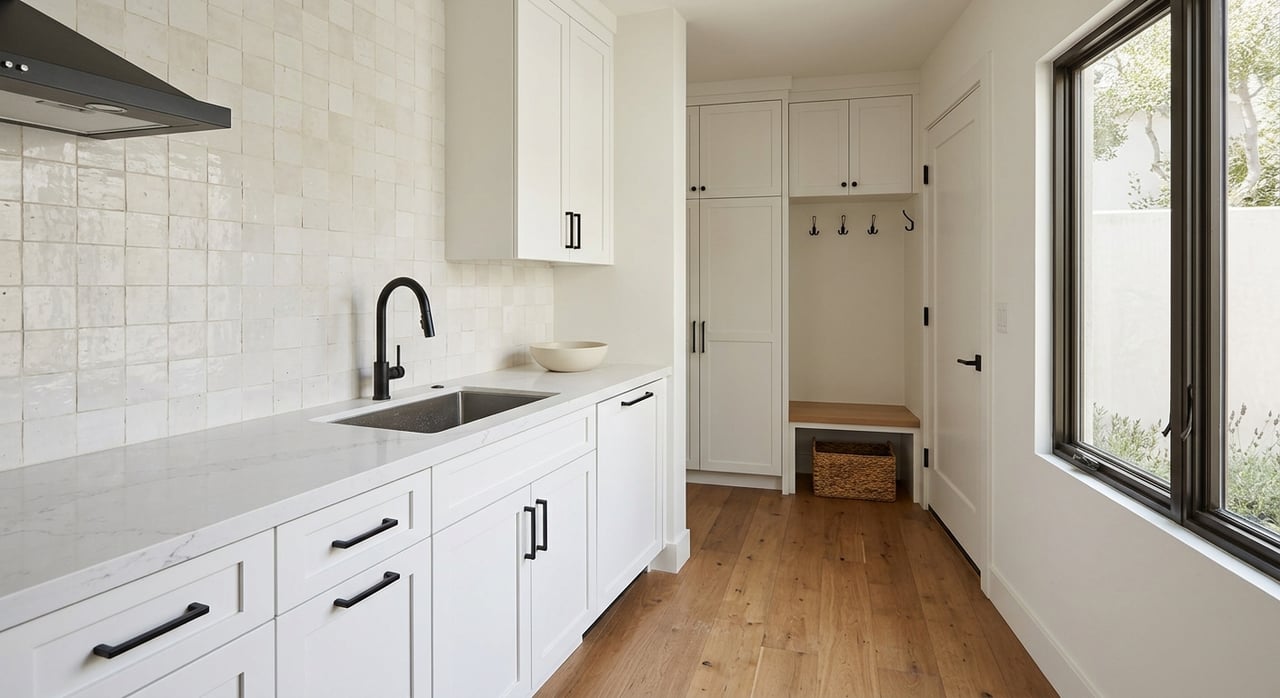
Wondering if your Sonoma home is truly ready to rent? Many owners focus on cleaning up the space and taking photos, but rental readiness starts much earlier. Before you list, you need to think about compliance, habitability, budgeting, and the right support team so you can avoid delays and protect your investment. Let’s walk through what matters most.
Start With Sonoma Rules
Before you advertise your home, make sure you understand the local rules that may apply to your rental setup. The City of Sonoma states that businesses operating within city limits must file an annual business license, but whether your rental activity requires one depends on the specifics of your property and use. It is smart to verify business license applicability with the city before leasing.
If your property includes an ADU, JADU, or efficiency unit, Sonoma has a very clear rule. These units may be rented for 30 days or more, and short-term rentals under 30 days are prohibited. The city also states that all ADUs require a building permit, so it is important to review the city’s ADU requirements before you market the unit.
Permits matter for more than ADUs. The city requires permits for work that builds, enlarges, alters, removes, demolishes, or repairs a structure, and code enforcement monitors non-permitted construction. If you completed recent work, check whether it needed approval through Sonoma’s building permit process.
Know What Makes a Home Rent-Ready
A rental home does not need to look perfect, but it does need to be habitable. Under California guidance, that means the property is fit for human occupation and substantially complies with health and safety standards. Minor cosmetic issues alone generally do not make a home uninhabitable, according to the California landlord-tenant guide.
In practical terms, your Sonoma rental should be checked for the basics that support safe, functional daily living. That includes hot and cold running water, working plumbing, heating, electrical service, sound floors and stairs, working locks, safe exits, and required smoke and carbon monoxide alarms. You should also confirm the home has adequate light, ventilation, clean grounds, a secure mailbox, and no obvious leaks or unsafe access issues.
A good pre-listing walkthrough should focus first on issues that could delay move-in or lead to complaints after the tenant takes possession. In many cases, the highest-priority repairs are moisture intrusion, HVAC problems, electrical concerns, broken windows or doors, pest entry points, and trip hazards. These are the kinds of items that can quickly turn a manageable turnover into a stressful one.
Use a Simple Rental Readiness Checklist
If you want a clear starting point, review your home in this order:
- Check for roof, window, or plumbing leaks
- Test heating, gas, and electrical systems
- Confirm hot and cold running water
- Inspect floors, stairs, and railings for safety
- Make sure doors and windows close and lock properly
- Verify smoke alarms and carbon monoxide alarms are installed where required
- Look for pest entry points and signs of damage
- Confirm the grounds are clean and safe
- Gather permit records for completed work
- Create a written repair log with photos
Documentation matters. California guidance notes that landlords remain responsible for maintaining habitability, even when certain maintenance duties are assigned by agreement. Keeping photos, repair logs, and permit records can help you stay organized and respond clearly if questions come up later.
Understand California Rental Law Basics
If you are renting out a former primary residence or an investment property, it helps to understand a few key California rules before you set terms. The state’s Tenant Protection Act guidance explains that annual rent increases are generally capped at 5% plus CPI, up to 10%, and many tenancies have just-cause protections. Some single-family homes and condos may be exempt if the required statutory notice is given, and local ordinances can be stricter.
You also need to handle marketing, screening, and application standards carefully. California fair housing law prohibits discrimination based on protected characteristics, including source of income, and it also limits blanket criminal-history exclusions. The California Civil Rights Department housing guidance is a helpful resource if you want to make sure your process is compliant.
Focus on Repairs Before Upgrades
One of the biggest mistakes owners make is spending on cosmetic changes before taking care of core systems. Fresh finishes can help your rental show better, but they should come after safety, function, and permit issues are resolved. A clean, dependable home tends to create a better experience than a stylish home with unresolved maintenance problems.
Once the essentials are covered, small updates can improve how your listing performs. Zillow’s 2025 rental-listing analysis found that fresh paint and simple finish upgrades were associated with stronger renter engagement, including more saves and shares per day. That does not guarantee higher rent, but it does suggest that clean, updated spaces attract more attention.
In Sonoma, some pre-rental upgrade projects may move faster than you expect. The city offers express permits for select projects, including some kitchen and bathroom remodels, HVAC replacements, and window replacements. If you are trying to complete work before listing, that can make your planning easier.
Choose Low-Drama Improvements
If you decide to update the home, focus on practical improvements that are durable and easy to maintain. Fresh paint, working hardware, improved lighting, and simple exterior touch-ups often do more for first impressions than expensive design choices. The goal is to create a clean, well-cared-for home that feels move-in ready.
Try to avoid overcapitalizing on finishes that are costly to maintain or out of scale with likely rental income. Rental properties work best when improvements support smoother leasing, lower maintenance headaches, and broader appeal. In most cases, simple and durable beats trendy and fragile.
Budget the Right Way
A smart rental plan separates routine costs from bigger investments. The IRS notes that rental expenses commonly include maintenance, insurance, taxes, interest, management fees, cleaning, utilities, and repairs, and those costs are generally deductible when paid, subject to normal tax rules. You can review the IRS overview in Publication 527 for residential rental property.
The line between a repair and an improvement matters. According to the IRS, repairs keep the property in ordinarily efficient operating condition, while improvements better, restore, or adapt the property and are generally capitalized and depreciated instead of deducted right away. The IRS provides more detail on repairs versus improvements.
If you are converting a former home into a rental, timing also matters. The IRS says a property is generally placed in service when it is ready and available for rent, and you may need to allocate expenses between personal and rental use if the conversion happens mid-year. For tax-sensitive decisions, it is wise to talk with a CPA or EA before listing.
Build in a Reserve
Even well-prepared rentals come with ongoing costs. A leaking faucet, broken appliance, or urgent electrical repair can show up without much warning. Setting aside a reserve for routine repairs, turnover expenses, and larger replacement items can help you protect cash flow and avoid rushed decisions.
This is especially important if your home has older systems or if you are renting it out for the first time. A reserve gives you room to handle issues quickly, which helps protect both your property and your tenant experience.
Build Your Team Before Listing
The best rental launches usually happen when the right people are involved early. If you plan to hire a property manager, California’s Department of Real Estate says that a manager must generally have a valid and active DRE license to collect rent and manage property, with limited exceptions for resident managers. The DRE also recommends reviewing screening practices, accounting procedures, insurance or bond coverage, repair processes, and contract terms in its landlord guidance on hiring a property manager.
If repair or upgrade work is needed, choose contractors carefully. The Contractors State License Board explains that California contractors should be licensed when work requires a permit, involves employees, or totals $1,000 or more in labor and materials. It is also smart to get multiple written bids and verify a contractor’s license and coverage.
In Sonoma, the safest sequence is usually straightforward: confirm the project scope, pull permits if required, complete inspections, and then market the home for rent. That order can save you from last-minute surprises and keep your timeline more predictable.
A Smart Rental Launch Starts Early
If you are asking whether your Sonoma home is ready to rent, the answer is not just about appearance. It comes down to whether the property is compliant, habitable, financially planned, and supported by the right professionals. When you prepare the home thoughtfully, you put yourself in a much stronger position for a smoother lease-up and fewer issues after move-in.
If you are weighing whether to rent, renovate, or sell, Jennifer Klein Real Estate can help you think through the property from an owner’s point of view, with practical guidance shaped by Sonoma County experience.
FAQs
What does rental readiness mean for a Sonoma home?
- Rental readiness means your Sonoma home is not only clean and marketable, but also compliant with local rules, habitable under California standards, and prepared for tenant occupancy.
Does a Sonoma rental property need a business license?
- The City of Sonoma says businesses operating within city limits must file an annual business license, but owners should verify whether their specific rental activity requires one before leasing.
Can you rent an ADU in Sonoma for short stays?
- No. In Sonoma, ADUs, JADUs, and efficiency units may be rented for 30 days or more, and short-term rentals under 30 days are prohibited.
What repairs should Sonoma landlords handle before listing?
- Owners should prioritize leaks, HVAC issues, electrical problems, broken windows or doors, pest entry points, trip hazards, and any condition that could affect safety or delay move-in.
Do cosmetic updates help a Sonoma rental show better?
- Yes. Simple updates like fresh paint and easy-to-maintain finishes can improve renter engagement, but they should come after habitability and compliance issues are addressed.
Should Sonoma rental owners hire a property manager before listing?
- Many owners benefit from building their team early, and if you hire a property manager in California, you should confirm that the manager has a valid and active DRE license when required.